Artificial Intelligence (AI) is one of the most transformative technologies of the modern era. It refers to the capability of machines and computer systems to mimic human intelligence and perform tasks such as learning, reasoning, perception, decision‑making, and language understanding. Over the past decade, AI has advanced at an unprecedented pace, becoming an integral part of our daily life and industries across the world.
What is Artificial Intelligence?
Artificial Intelligence is the field of computer science concerned with building machines that can think and act like humans. Unlike traditional software, which follows programmed instructions, AI systems can analyze data, learn patterns, and make intelligent decisions. There are two major types:
1. Narrow AI – Designed for specific tasks such as facial recognition, voice assistants, and spam filters.
2. General AI – A theoretical form of AI capable of performing any intellectual task that a human can.
How AI Works
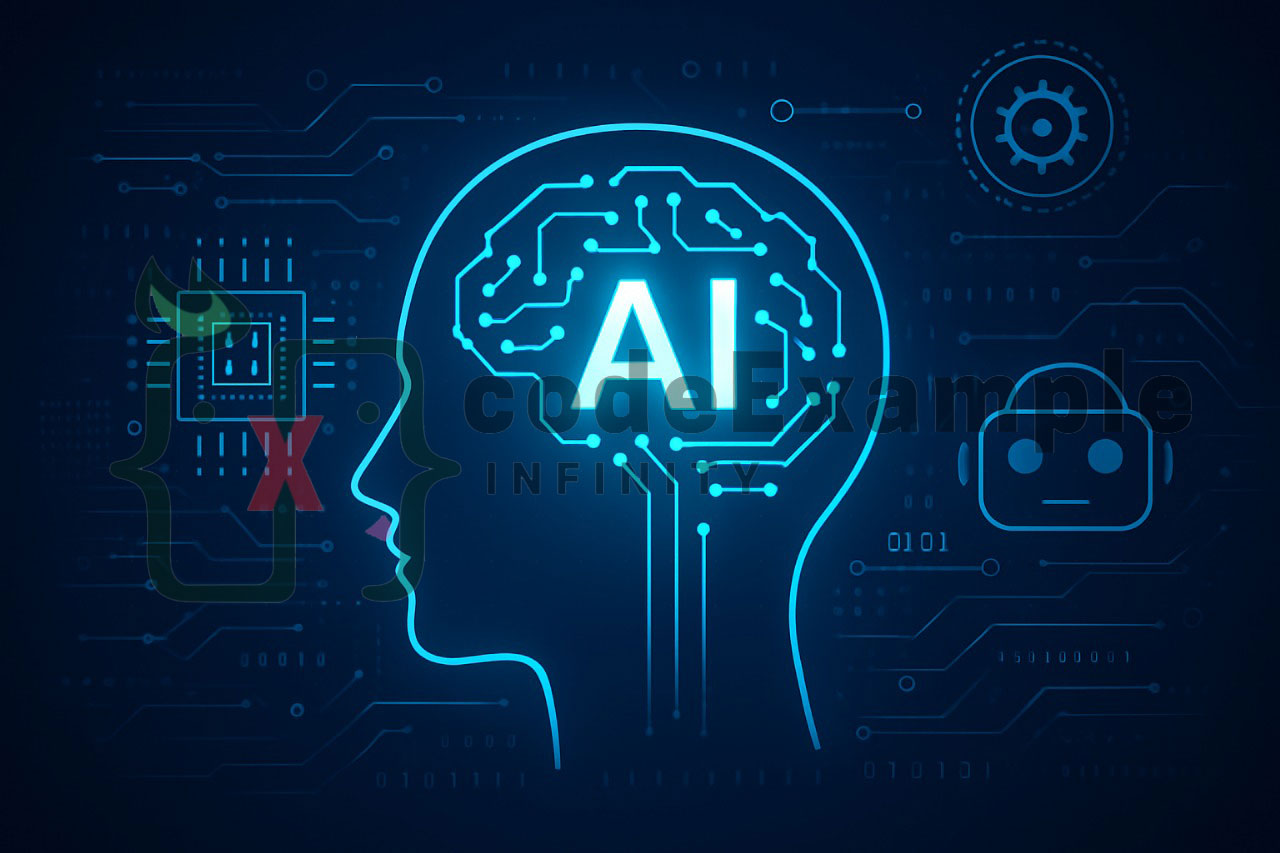
AI systems use algorithms and computational models to learn from data. The most common method is Machine Learning (ML), where computers identify patterns and improve performance over time. Deep Learning, a specialized form of ML, uses artificial neural networks inspired by the human brain. These networks allow machines to perform complex tasks such as image recognition, natural language processing, and autonomous driving.
Applications of AI in the Real World
AI is widely used across various sectors, revolutionizing the way industries operate. Some major applications include:
Healthcare: AI helps diagnose diseases, analyze medical images, and develop personalized treatment plans.
Education: Intelligent tutoring systems provide personalized learning experiences.
Transport: Self-driving cars use AI to interpret their surroundings and make safe driving decisions.
Finance: AI systems detect fraud, analyze risks, and automate trading.
Entertainment: Streaming platforms like Netflix and YouTube use AI to recommend content.
Customer: Service Chatbots and virtual assistants provide instant support.
Benefits of AI
The benefits of AI are vast and far-reaching. It increases efficiency, reduces human error, and performs repetitive tasks with high precision. Businesses use AI to automate workflows, identify opportunities, and enhance decision-making. AI also helps in processing large volumes of data that would be impossible for humans to analyze quickly.
Challenges and Ethical Concerns
Despite its advantages, AI poses certain challenges. The biggest concerns include job displacement, privacy issues, biased algorithms, and lack of transparency in AI decision-making. Ethical AI development is crucial to ensure fairness and safety.
Future of AI
The future of AI is incredibly promising. Emerging technologies such as quantum computing, robotics, and advanced neural networks will further accelerate AI capabilities. AI is expected to become smarter, more intuitive, and deeply integrated into every aspect of society—from smart cities and healthcare to education and personal digital assistants.